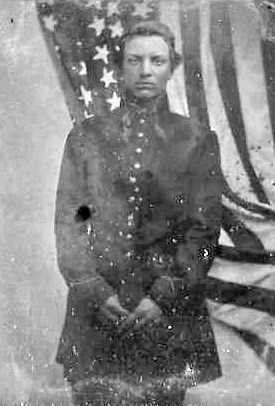
This framed photograph of Private Edward A Fulton, Company K, 72nd Pennsylvania Infantry was in the collection of Don Troiani, now in the museum of the U.S. Center of Military History at Fort Belvoir, Va.
Private Fulton was wounded 4 separate times at Antietam and was discharged for disability in May 1863. He was still suffering from his wounds at his death in 1880 at age 44.
Archibald McIntyre was a tailor born in Inverness, Scotland who was very successful in business in South Carolina, married well, and accumulated significant land holdings in Marion County before he died in 1850. Portraits of him and his wife Sophia Elizabeth Howard (1807-1880) were contributed to their respective memorials on Findagrave by Robin Pellicci Moore.
Archie McIntyre, Jr. was a wealthy 21 year old farmer on his widowed mother’s place in Marion at the start of the war, and was elected 2nd Lieutenant of Company K, First South Carolina Infantry in August 1861. He was killed in action at Sharpsburg on 17 September 1862 and left a widow and a son, Archibald, III, who was born a month after his father’s death.
Private Thomas F Good (born Guth), Company G, 128th Pennsylvania Infantry was wounded by a gunshot at Antietam in September 1862 and was captured at Chancellorsville, VA in May 1863.
After the war he held a variety of jobs in Lehigh County, PA, including a stint as clerk at the Black Bear Hotel in Allentown, pictured here, from a photograph at the Lehigh County Historical Society. The Black Bear also housed stables for the horse-drawn streetcar system in Allentown and for the Allentown-Saegerstown stage, both also among Thomas’ employers.
Private William H Yerkes enlisted in the 128th Pennsylvania Infantry at Doylestown in August 1862 and lost his foot in action at Antietam a month later. He worked in the US Army Quartermaster Department in Washington, DC to the end of the war, and afterward was in the ice business there.
This post-war photograph of William was contributed to the Family Search database by Megan Bell [free membership required].
As the Confederate Army began their march North in late June 1863, Pennsylvania Governor Andrew G. Curtin called for 60,000 militia volunteers to defend the state. Tens of thousands of Pennsylvanians signed up, mustering into 36 regiments, 4 battalions, and at least 10 companies of infantry, 4 battalions and 10 independent companies of cavalry, and 11 batteries of artillery.
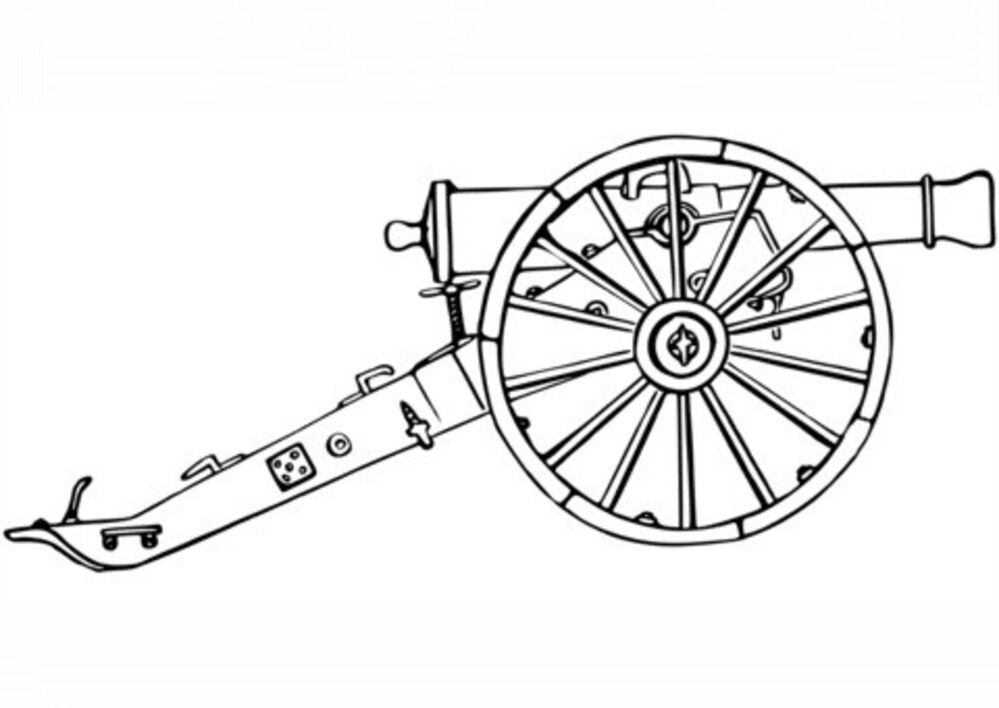
One of the latter, of 6 guns, was formed by cadets at the Pennsylvania Military Academy in West Chester. They were initially rejected by Governor Curtin because of their youth, but the Academy president appealed on behalf of the older boys to the Governor, who accepted the battery for State service on 1 July 1863.
At least 4 cadets were among its leaders: George R. Guss (17) was commissioned Captain, Frank E. Townsend (20), First Lieutenant, John A. Leslie (19), First Sergeant, and William J. Harvey, Sergeant. It is perhaps not a coincidence that George’s father was Brigadier General Henry Ruhl Guss, formerly Colonel, 97th Pennsylvania Infantry.
Among the battery recruits was 20 year-old Private James S. Michener, late of Company C, 128th Pennsylvania Infantry. Michener had been wounded by a gunshot to the leg at Antietam on 17 September 1862 and discharged for disability in January 1863.
Apparently he’d recovered sufficiently by June to answer the Governor’s call.
Michener and the Battery were taken by rail to Carlisle near the capital, Harrisburg, and were posted there during and after the battle of Gettysburg, but saw no action. They were mustered out of service on 24 August 1862 once the danger was past.
The cadets returned to school, and James Michener became a civilian again.
_____________________
The cadets’ story from John A. Coulter’s Cadets on Campus: History of Military Schools of the United States (2017).
The newspaper clipping is from the New York Times of 27 June 1863.