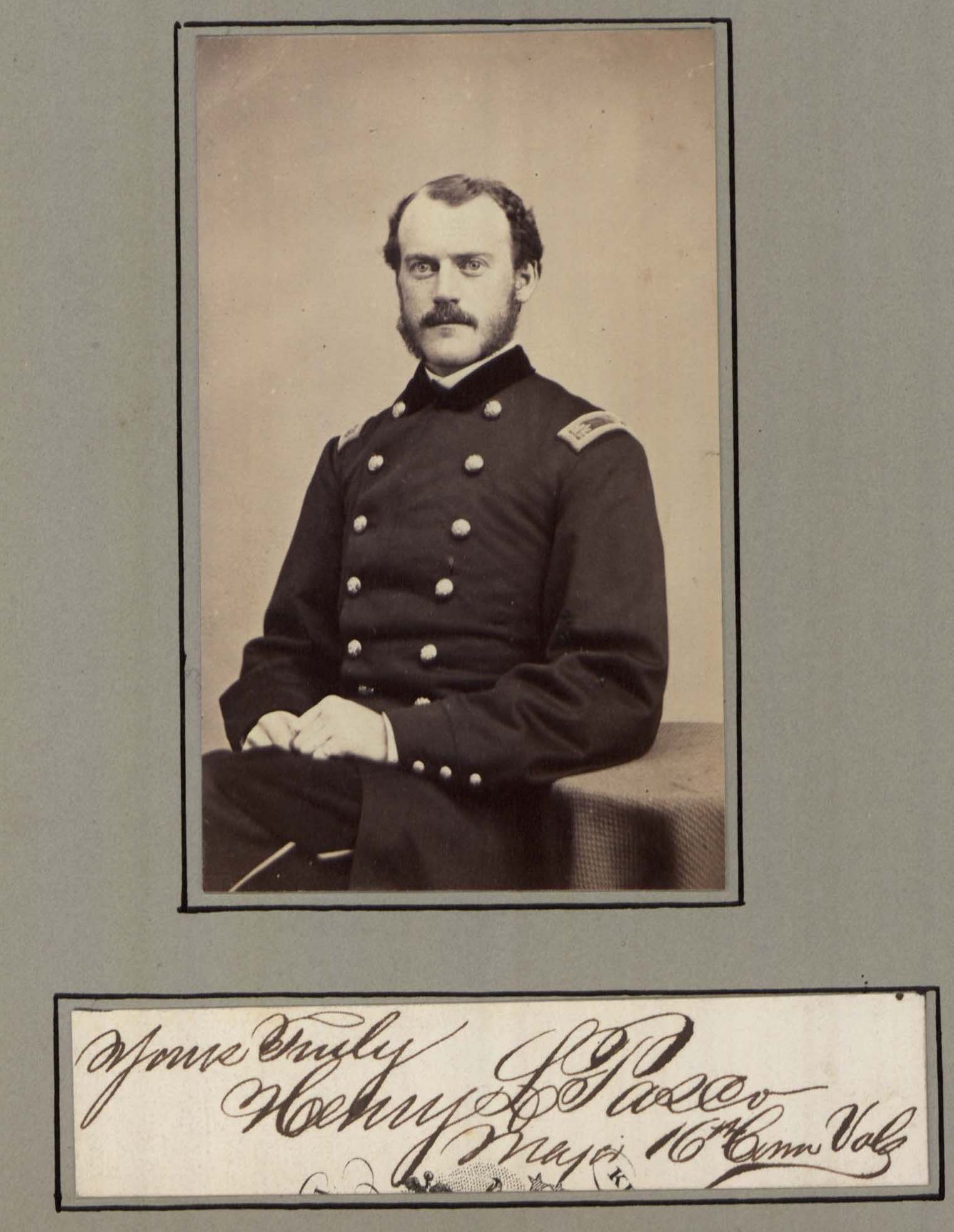
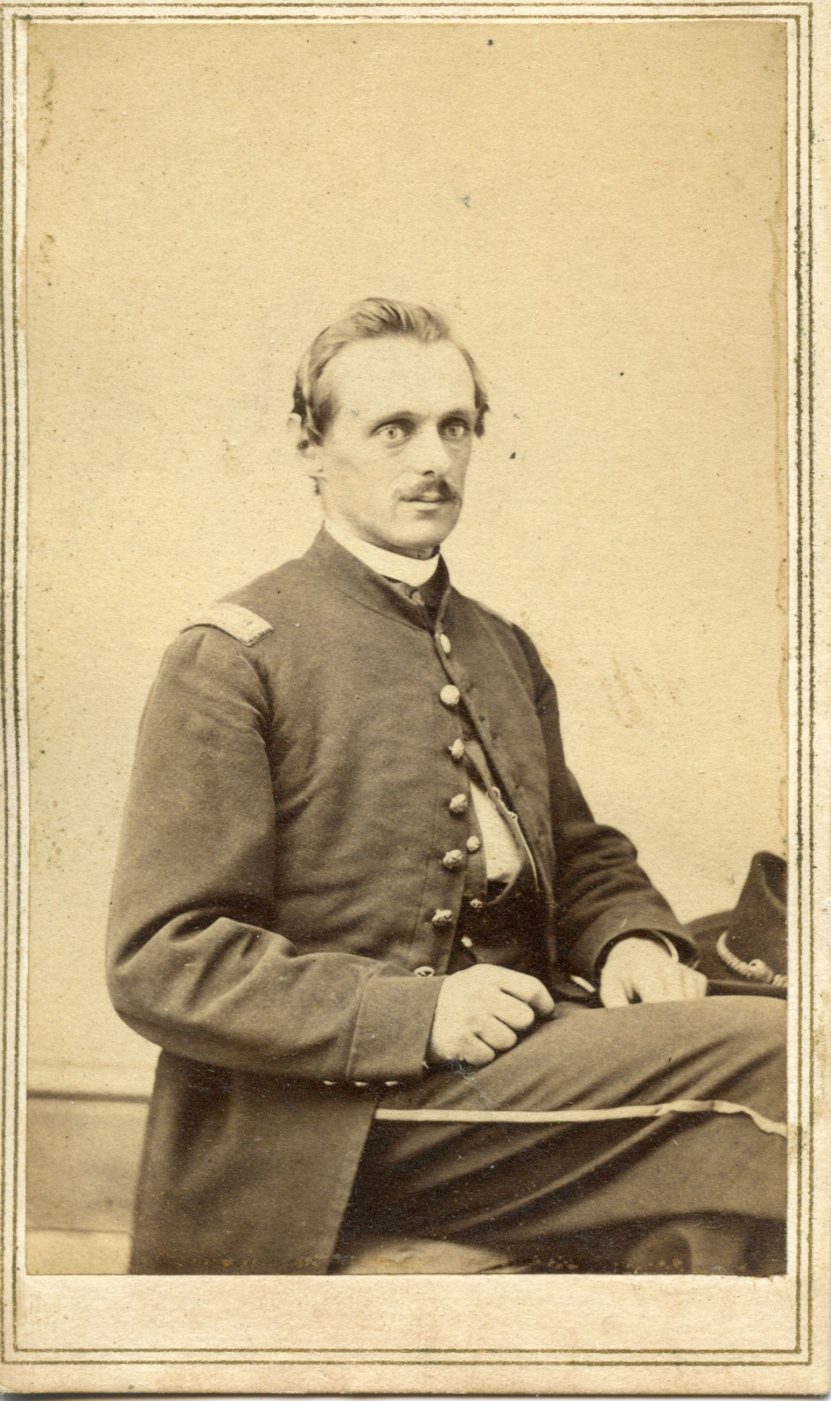
Henry L Pasco was a Captain commanding Company A of the 16th Connecticut in their first action at Antietam on 17 September 1862. Here he is wearing Major’s straps, probably photographed soon after his promotion in June 1863.
This photo is from the MOLLUS Massachusetts Collection (Volume 113, pg. 5815), at the US Army Heritage and Education Center, Carlisle, PA.
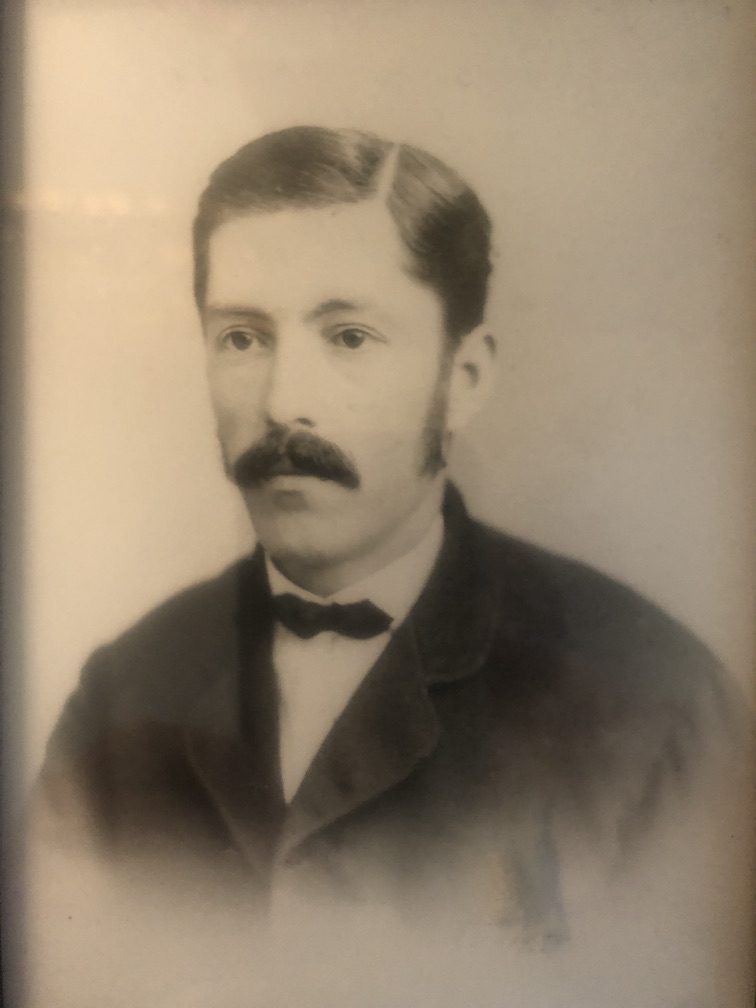
Private George Washington Pancoast of the 9th New York State Militia (83rd Volunteers) was wounded by two bullets at Antietam in September 1862 but survived to have a long and productive life afterward.
This fine post-war photograph was kindly provided by his great-great-grandson Scott McGurk.
What you can’t see in the picture, though, is that George lost his left arm at the elbow to amputation due to one of those Antietam bullets. Here’s a clinical summary of his ordeal, from the Medical and Surgical History of the War of the Rebellion (Pt. II, Vol. II, pg. 856; 1877), online from the National Library of Medicine (click to enlarge).
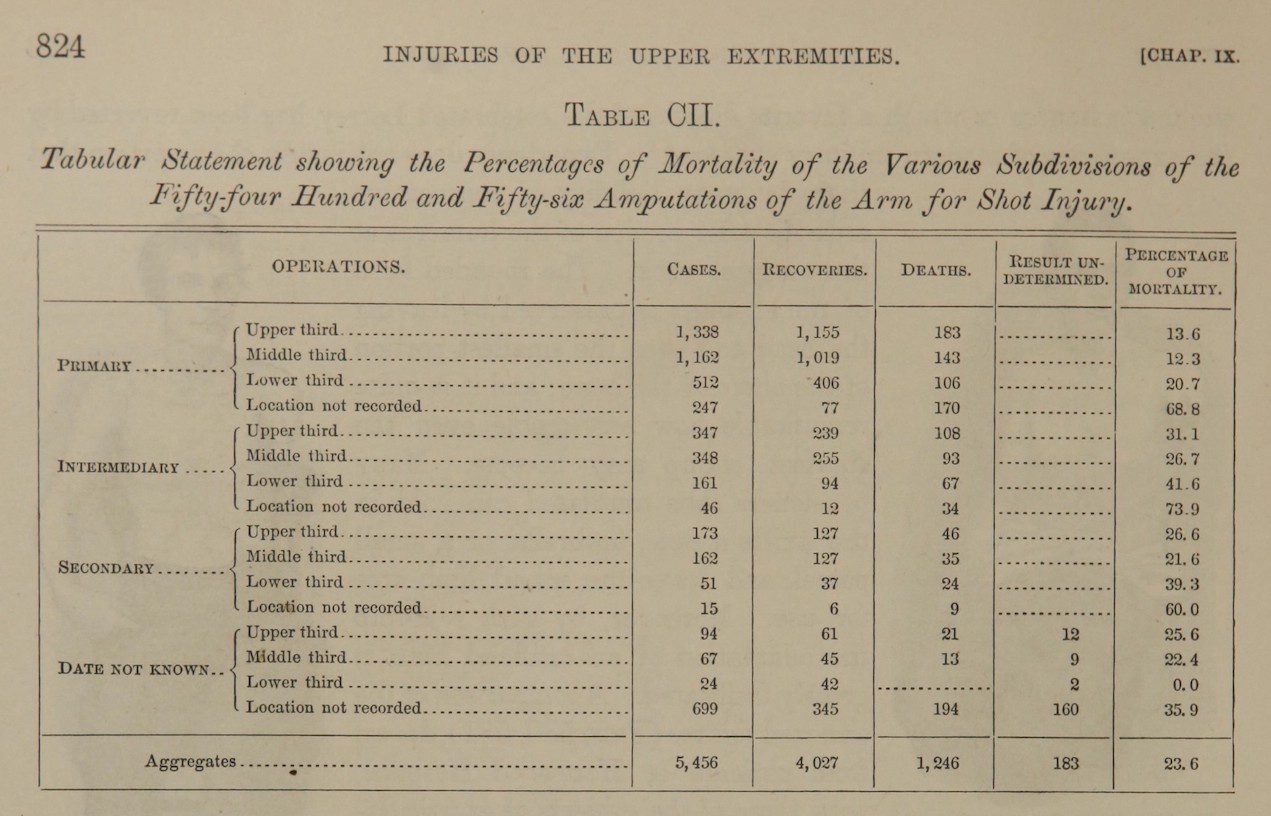
I was surprised to learn just how many arms Army surgeons amputated during the war due to gunshot wounds: at least 5,456. I’ve seen a large number of cases, but had no idea. Here’s a table from the same volume of the MSHWR with some survival statistics.
Joseph A. Grosvenor and his brother Samuel E. Grosvenor came to America from England with their family as very small boys in 1845, and both enlisted in the 16th Connecticut Infantry in August 1862. In their first battle, at Antietam a month later, Joseph was killed and Samuel was wounded.
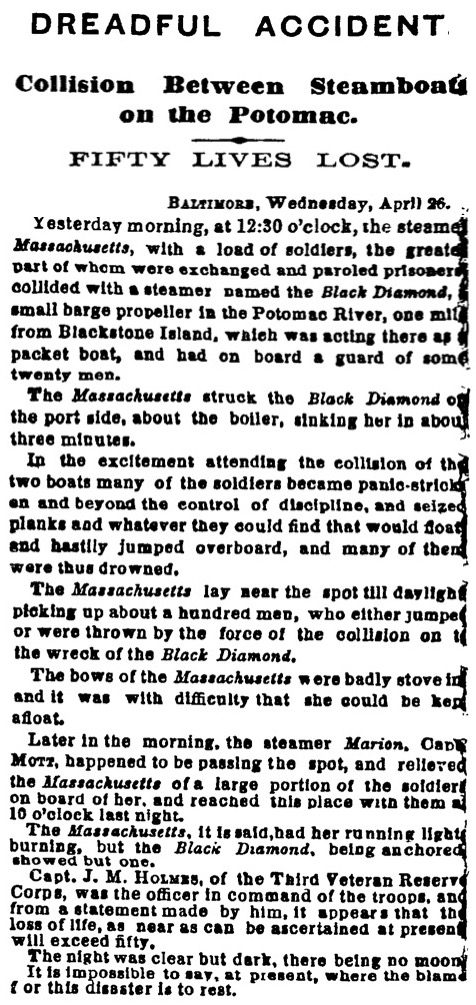
Samuel survived his wound and also a stint as a prisoner at Andersonville in 1864. But, in April 1865, on his way back to his regiment after convalescing, he drowned when his transport collided with another vessel on the Potomac River off Southern Maryland. As many as 87 men died that morning; he was one of the 7 soldiers from the 16th Connecticut who drowned, out of the 13 aboard.
That clipping is from the front page of the New York Times of 27 April 1865. Click to see the whole piece.
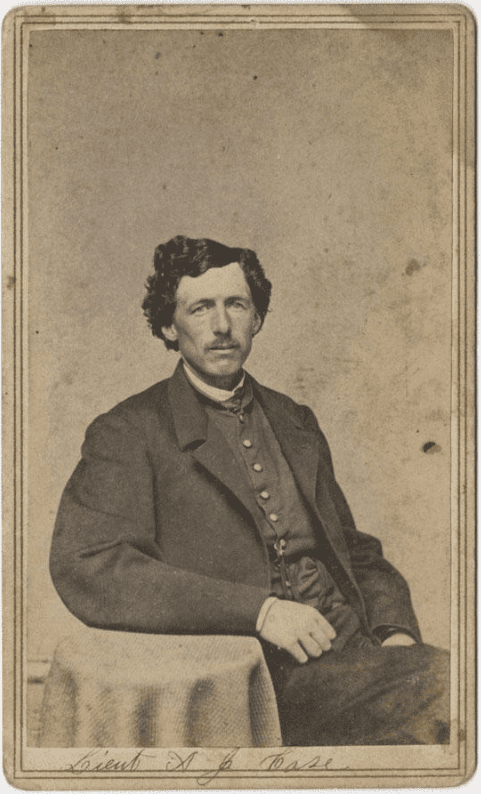
Here are Lieutenants Alonzo G. Case (left) and Ariel J. Case. They were First and 5th Sergeants, respectively, of Company E, 16th Connecticut Infantry in their first action in farmer John Otto’s cornfield at Antietam on 17 September 1862.
Afterward they had the horrible task of burying their younger brother Oliver Cromwell Case on the field after the battle. He was killed while a Private in Company B, 8th Connecticut Infantry, in combat not far from his brothers.
____________________
The photograph of Alonzo was kindly provided by James Silliman from his collection. That of Ariel is from the Connecticut Historical Society.
See a lovely account of Oliver’s death and burial from Colonel John P. Rogers, on his blog Oliver Cromwell Case.
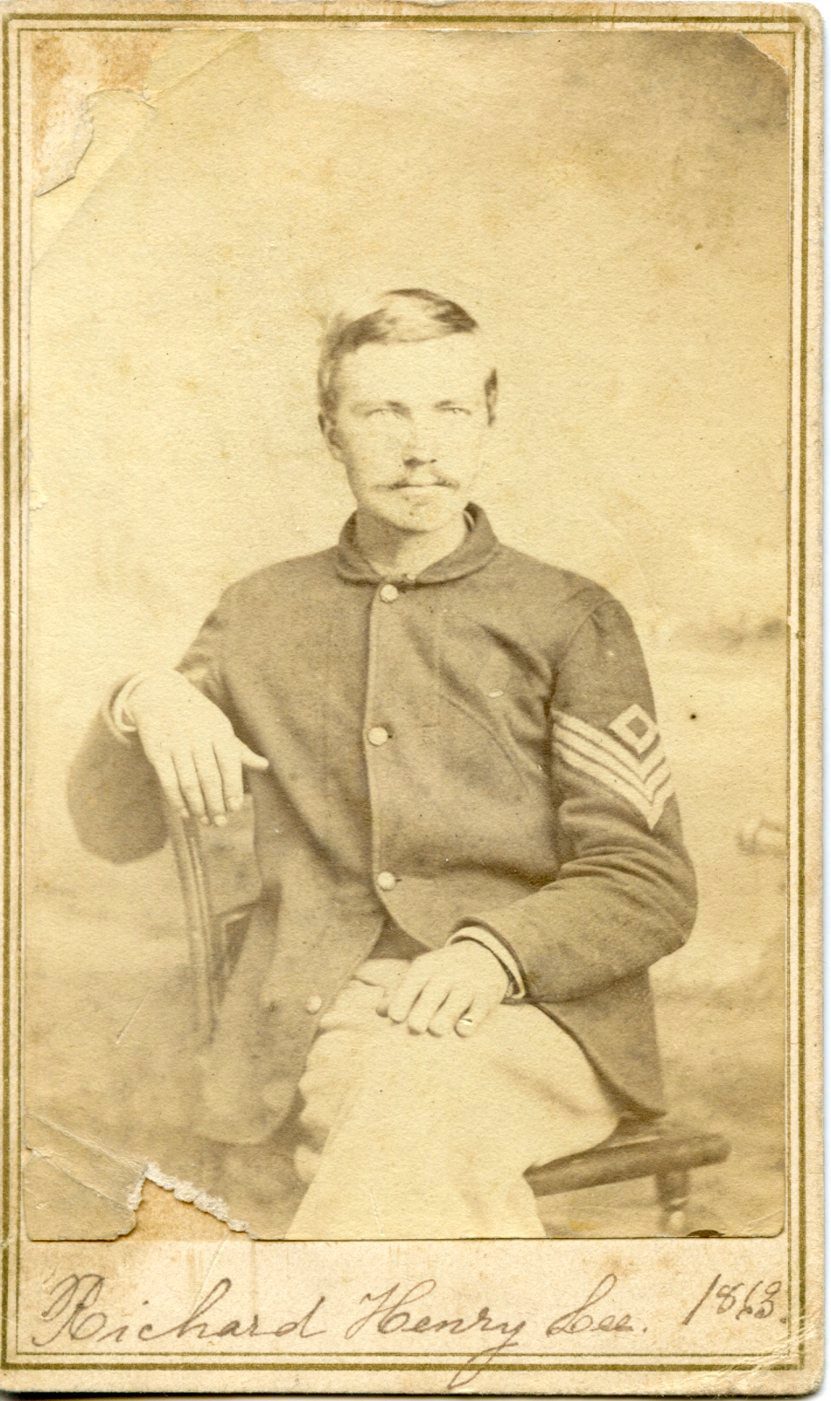
Richard Henry Lee, who probably went by Henry, was 2nd Sergeant of Company E, 16th Connecticut Infantry when he saw his first combat in farmer Otto’s cornfield at Antietam on 17 September 1862, where his
boys held their own first rate. Our Granby boys behaved particularly well. It was an easy matter for me to keep the ranks closed up, for every one was bound to do his duty.
Here he is a few months later after he was promoted to First Sergeant in March 1863.
This lovely photograph kindly provided by great-great-grandson James Silliman, from his collection.