Year: 2022

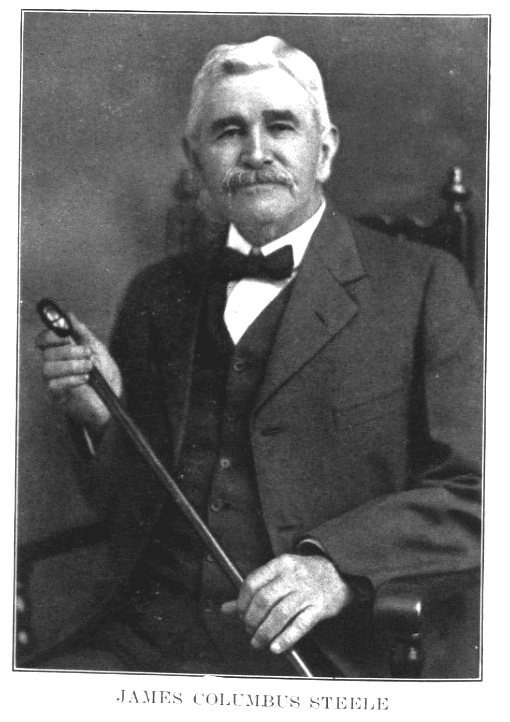
  • James C Steele (c. 1910)

    This is James C Steele of Statesville, NC, formerly Musician in the 4th North Carolina Infantry band and a veteran of the Maryland Campaign of 1862. This picture is from his 1921 book Sketches of the Civil War, online thanks to a joint venture of the State Library and the State Archives of North Carolina.

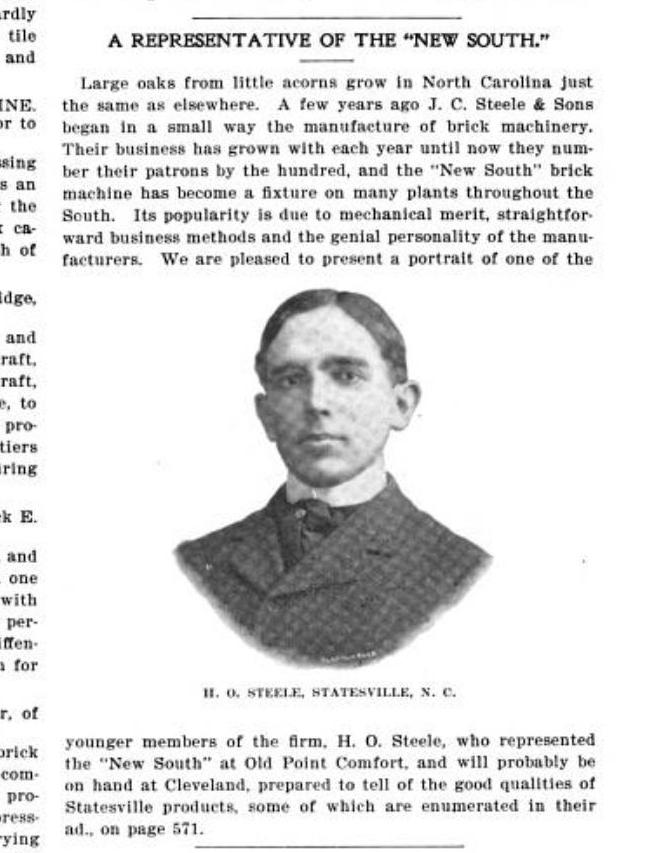
    By the time this photograph was taken, he was a successful inventor and businessman producing equipment used to make bricks and other clay products. Here’s a piece from the industry journal The Clay Worker of January 1901 featuring Henry Oscar Steele (1874-1942), one of his four sons, all of whom took over the business on James’ retirement in 1912.
    Still called J.C. Steele & Company, the firm is in much the same business today under the management of the 5th generation of Steeles. The home he built across the street in Statesville in 1877 is still there, too. Recently restored by the Siegrists, it’s a beautiful event venue.
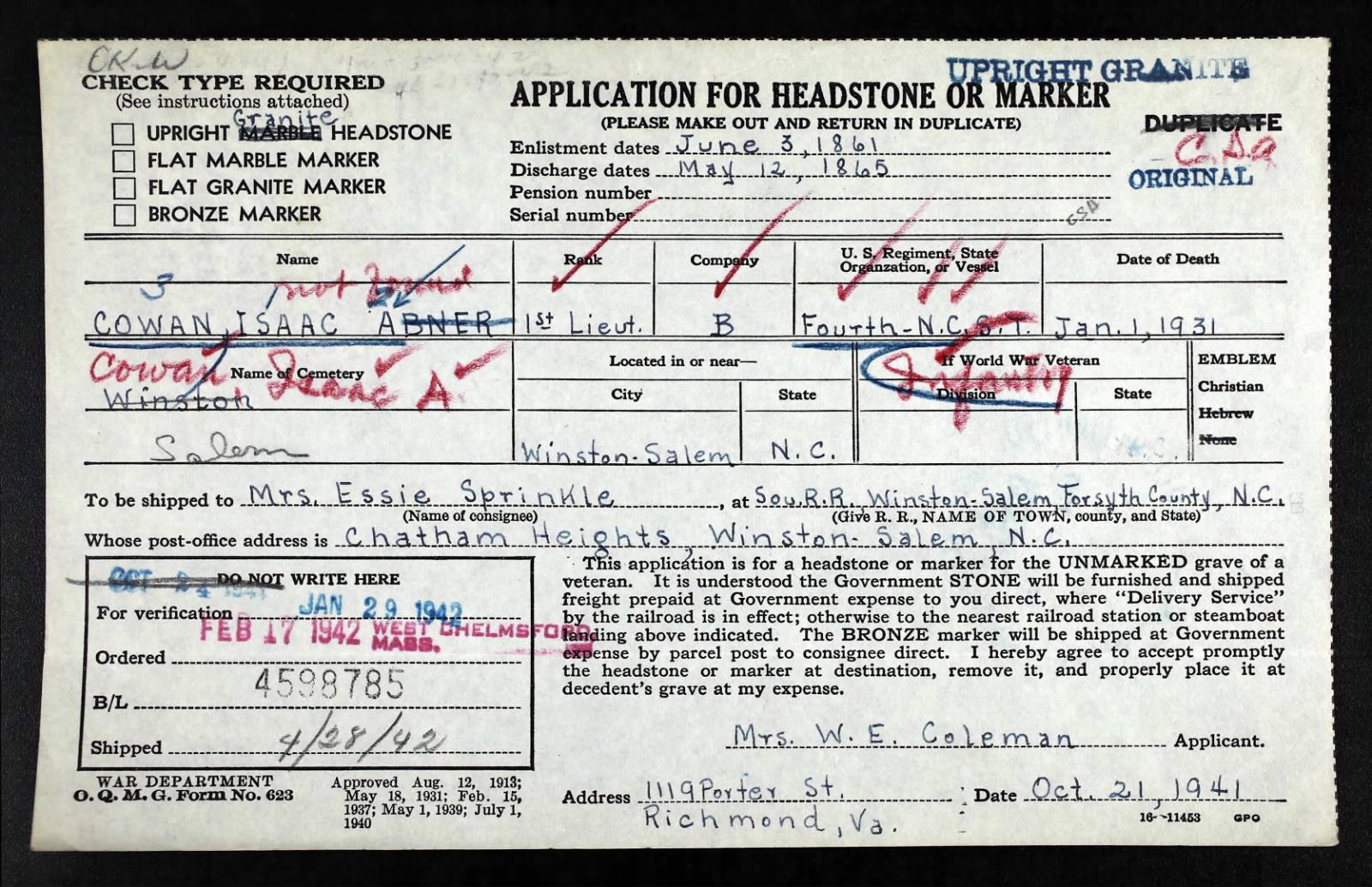
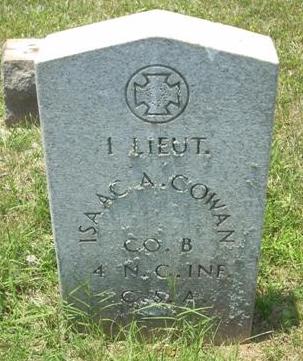
  • Isaac A Cowan’s government headstone

    Mrs. W.E. Coleman of Richmond, VA applied to the United States War Department for a Government headstone for Issac Abner Cowan, late of the 4th North Carolina Infantry, in October 1941. He was a Sharpsburg veteran who had died on New Year’s Day 1931 at 90 years, and was perhaps lacking a marker.

    It’s likely Mrs Coleman was with the United Daughters of the Confederacy (UDC) who are headquartered in Richmond and were active then, as they are now, in memorializing Confederate soldiers.

    The stone was shipped to Cowan’s daughter Ellen Estelle “Essie” Cowan Sprinkle (1876-1973) in Winston-Salem, NC in April 1942.

    ________________
    The application card is from US War Department records, online from fold3. The recent photograph of his marker is by user SierraBravo on Find-a-grave.

  • Major Bryan Grimes (c. 1861)

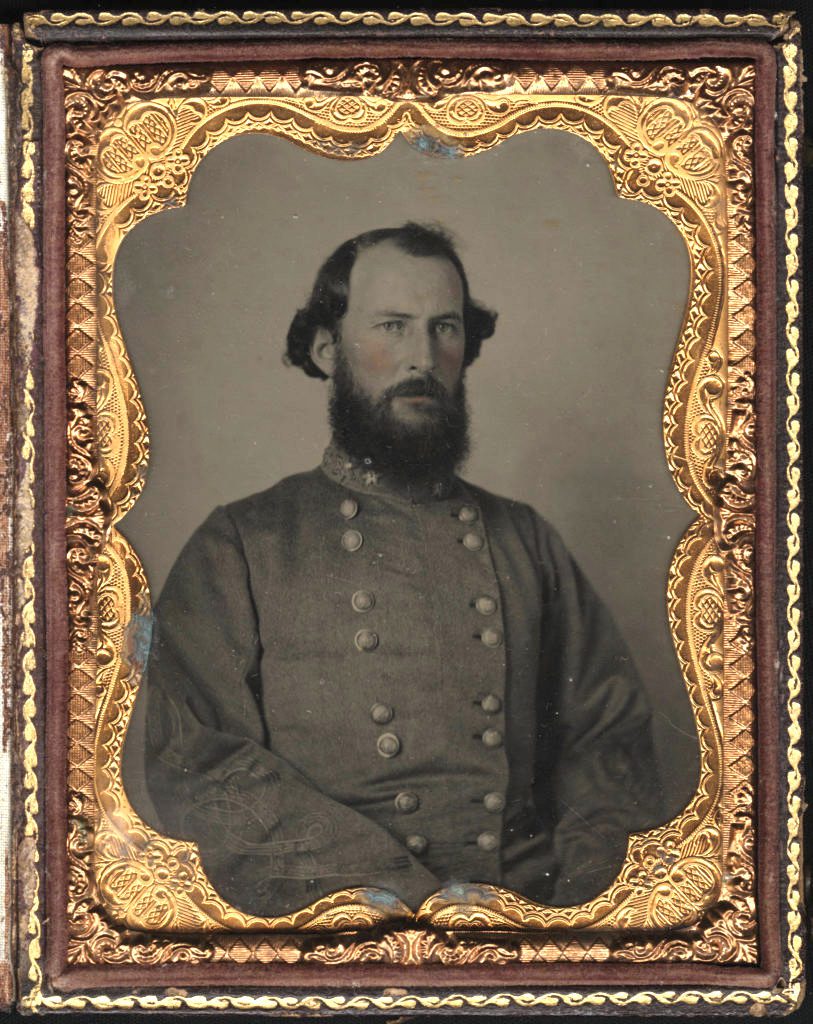
    This fine hand-tinted photograph of Bryan Grimes, Colonel of the 4th North Carolina Infantry at Sharpsburg, is from the North Carolina Photographic Archives at the University of North Carolina, Chapel Hill.

    It was shared online in company with an excellent 2019 magazine article by James Robbins Jewell about Grimes at the “Mule Shoe” salient at Spotsylvania, VA in May 1864. Thanks, HistoryNet.

  • Horace Ripley (1938)

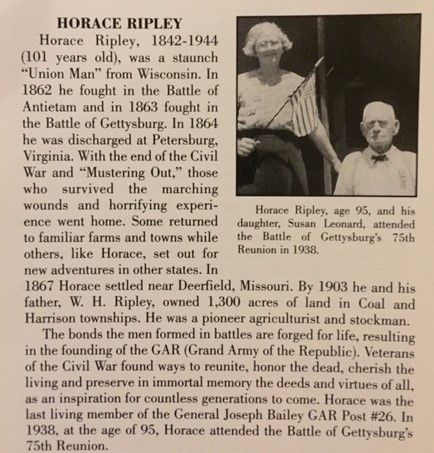
    Horace Ripley enlisted at age 19 in 1861 in the 7th Wisconsin Infantry and was detailed to Battery B of the 4th US Artillery less than a week before the battle of Antietam, on 12 September 1862. He learned his new job under fire on the 17th, from Sun Prairie, WI neighbor Elbridge E Packard of the 2nd Wisconsin, an “old hand” who’d been with the battery since November 1861.

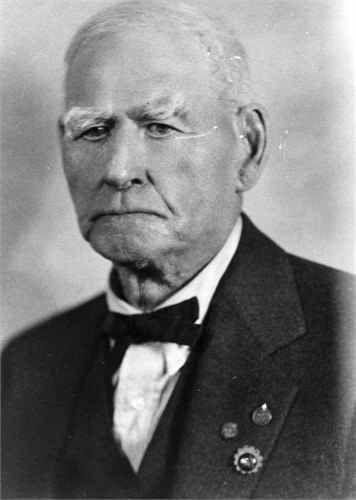
    The clip at the top is from a local history called Nevada and Vernon County’s Heritage (2005), shared online by Lois Ripley Chavez. His portrait photograph – probably also taken about 1938 – was contributed to the FamilySearch database by Betsy Jill Chesire.

  • The Battle Leaders of the Battery.

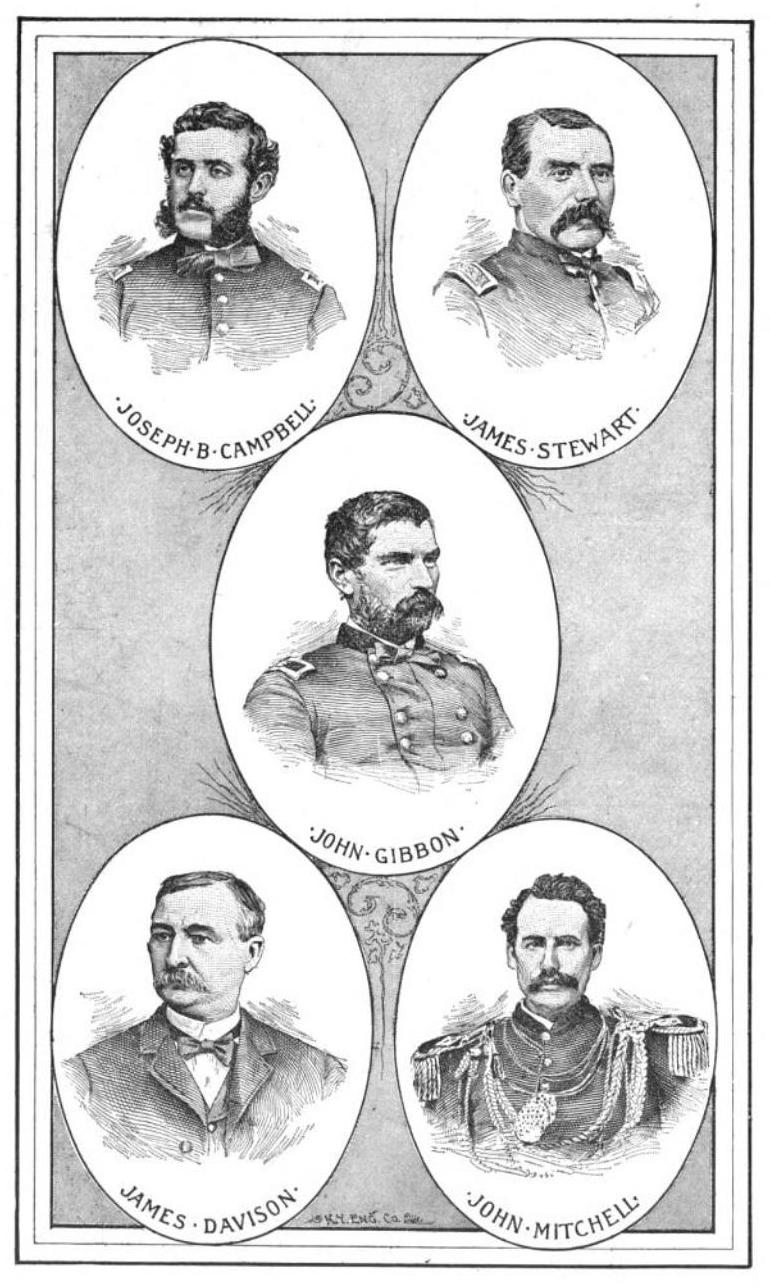
    From the frontpiece of Augustus C Buell’s The Cannoneer: Recollections of Service in the Army of the Potomac (1890), here are some of the officers of Battery B, 4th United States Artillery before and during the war. Etchings after photographs.

    Captain Campbell commanded the battery at Antietam until wounded, succeeded by Lieutenant Stewart. Brigadier General Gibbon, a career Regular Artillery officer, was Captain of Battery B at the start of the war; he led the Brigade and helped man a gun of Battery B at Antietam. Lieutenant Davison of the 3rd US Artillery joined the battery after Antietam and commanded a “half-battery” of “B” at Gettysburg until he was wounded and replaced by then-Lieutenant Mitchell. Mitchell was First Sergeant of the Battery at Antietam and cited for bravery there. He is pictured here in his post-war uniform as a Captain in the 43rd (later 1st) US Infantry.

    Augustus Caesar Buell (1847-1904) is now generally known as a “fraud historian” – particularly because of his biographies: Paul Jones, Founder of the American Navy (1900), Sir William Johnson (1903), William Penn as the Founder of Two Commonwealths (1904), and History of Andrew Jackson, Pioneer, Patriot, Soldier, Politician, President (1904) – all apparently at least plagiarized if not entirely made-up.

    He wrote much of Cannoneer as if he was an eyewitness to it all, when he hadn’t actually enlisted in the 20th New York Cavalry until August 1863 and was (probably) detailed to the battery some time later. Although it must be viewed skeptically, the book is an excellent source of detailed information about Battery B/4th US Artillery.

    It owes its value to the many soldiers and officers of the battery who contributed to its content, notably Captain Stewart, Sergeant C.A. Santmyer, and Private B.H. Stillman, who had been detailed from the 7th Wisconsin Infantry.