John Henry Ellsworth Whitney, Sergeant, Company B, 9th New York Infantry was seriously wounded in the pelvis during his regiment’s assault toward Sharpsburg on the afternoon of 17 September 1862, and was discharged, disabled, from a Frederick, MD hospital the following June.
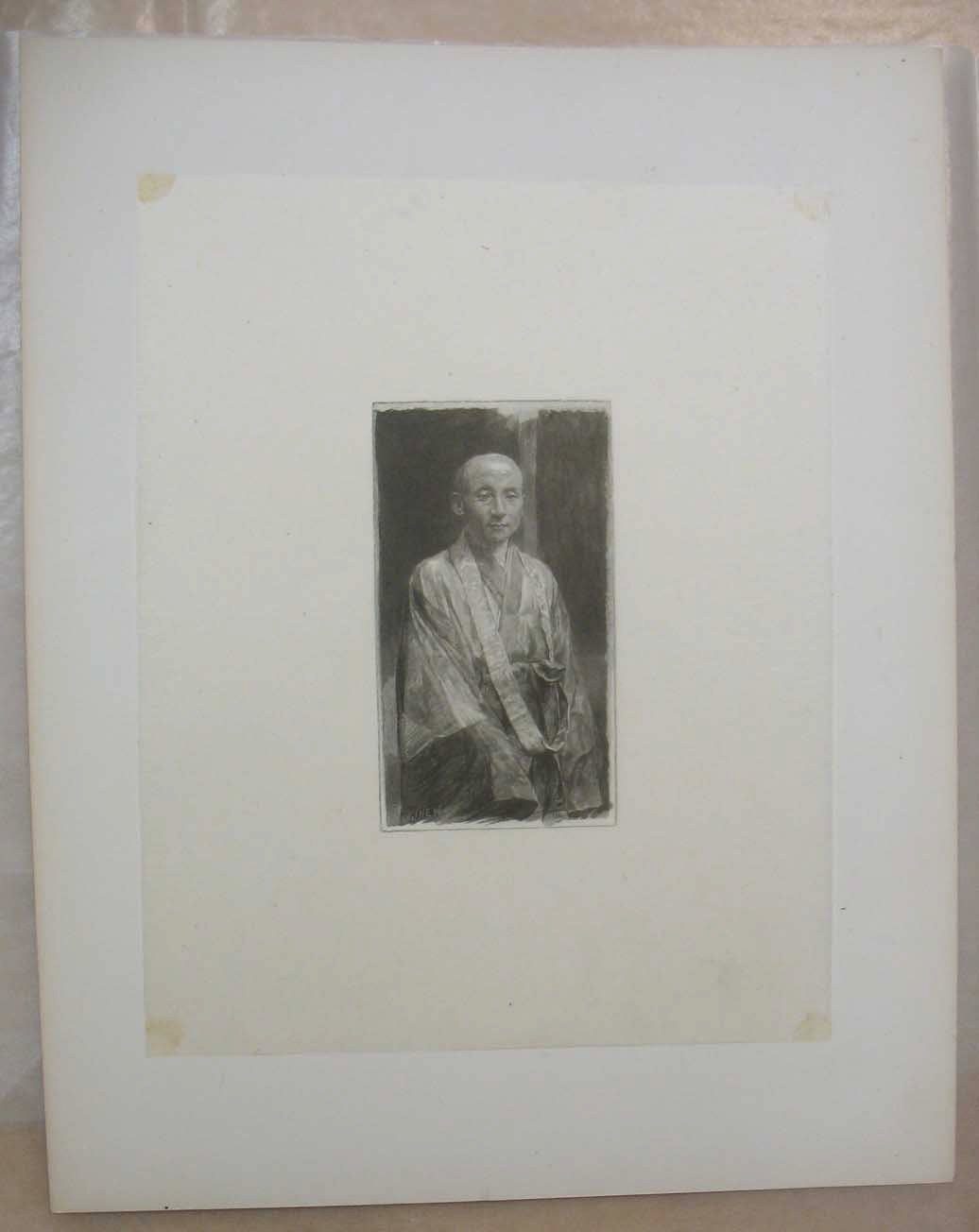
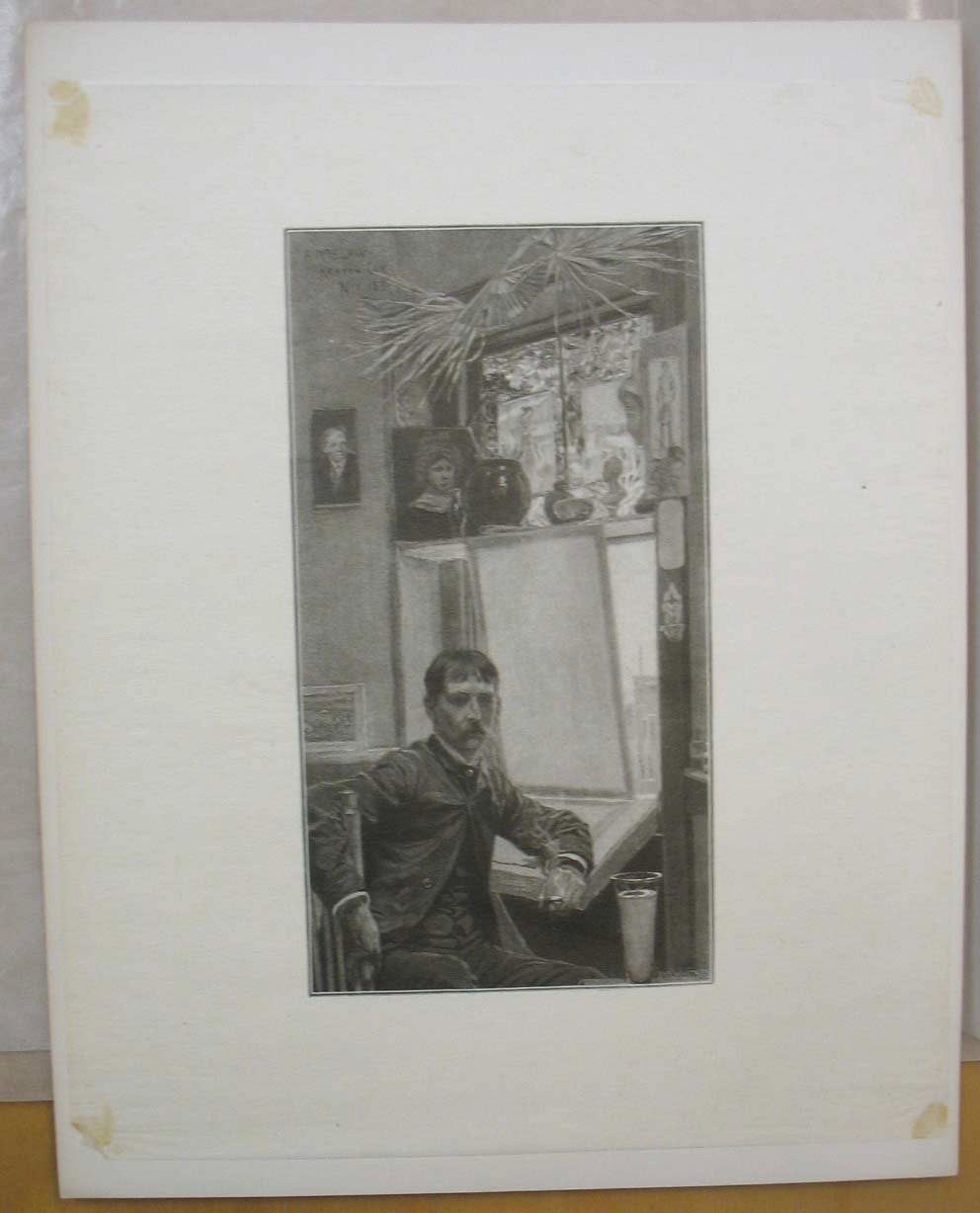
An artist known particularly for wood engraving, he was magazine illustrator after the war. Here are some examples of his work from the 1880s. The first two, from the collection of the Brooklyn Museum, are a finely-depicted monk and a self-portrait, “Artist at his Desk.”
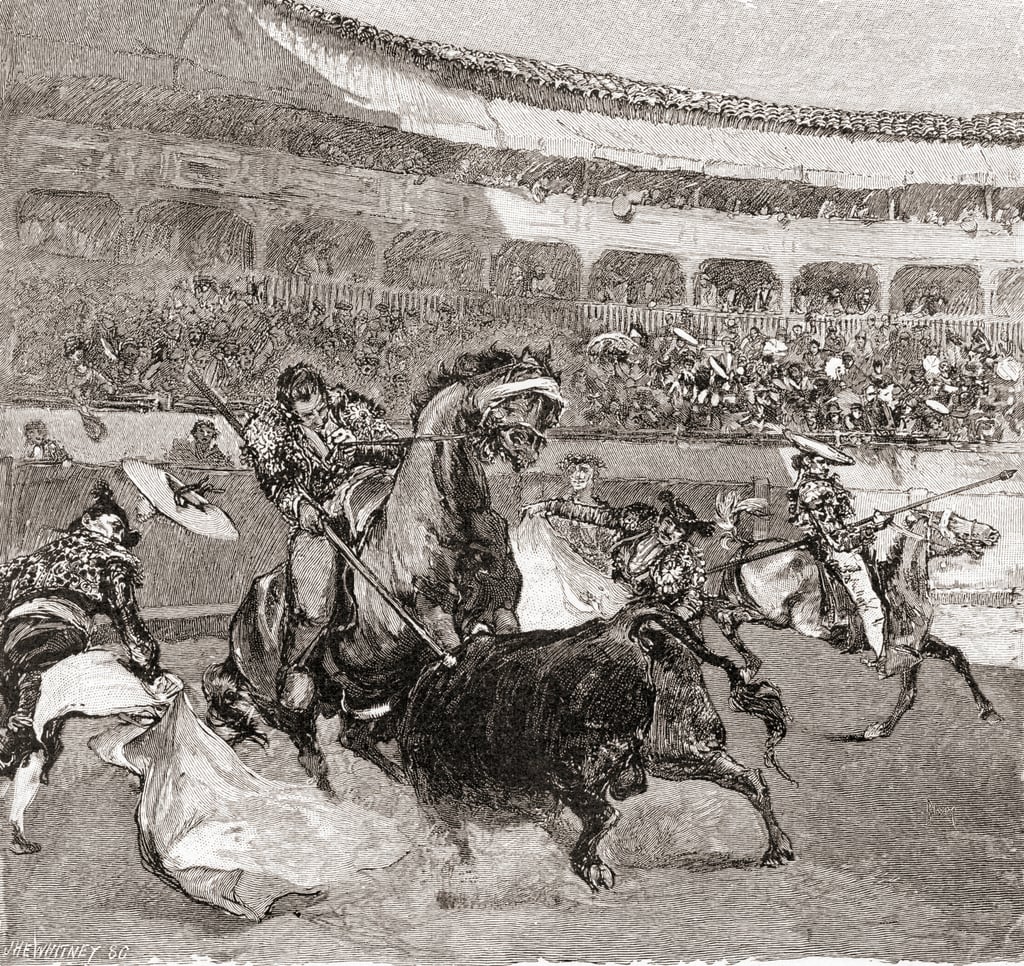
He engraved this bullfight scene in 1880 and it was published in the Century Magazine in November 1883 (via GoogleBooks). This copy is online from Meisterdrucke Fine Art Prints in Villach, Austria. The original subject was drawn by Robert Frederick Blum (1857-1903).
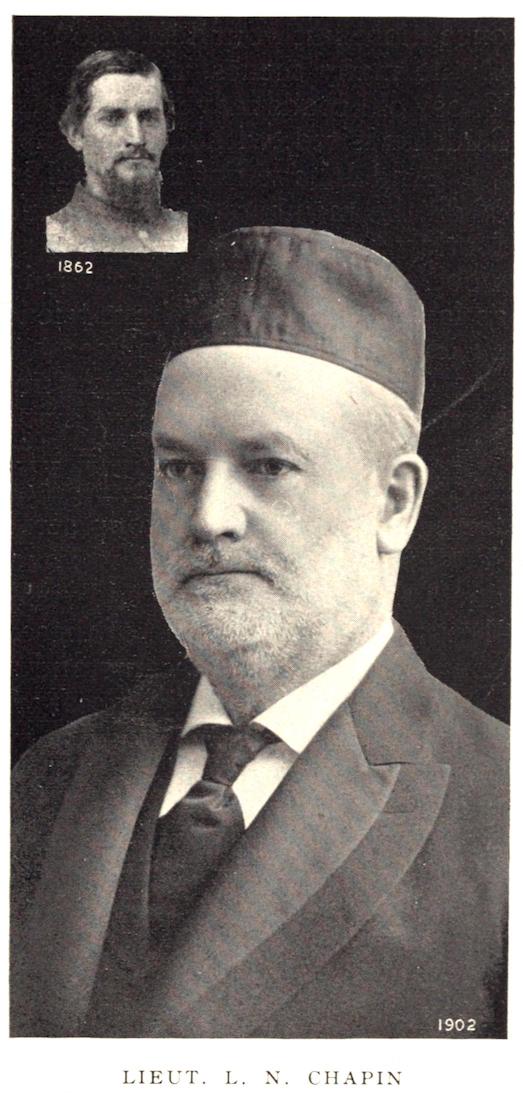
Louis Nathan Chapin was a young printer before the war, survived combat at Antietam in September 1862, was commissioned 2nd Lieutenant in December 1862, and mustered out with his Company in June 1863. He was a life-long newspaperman and publisher after the war.
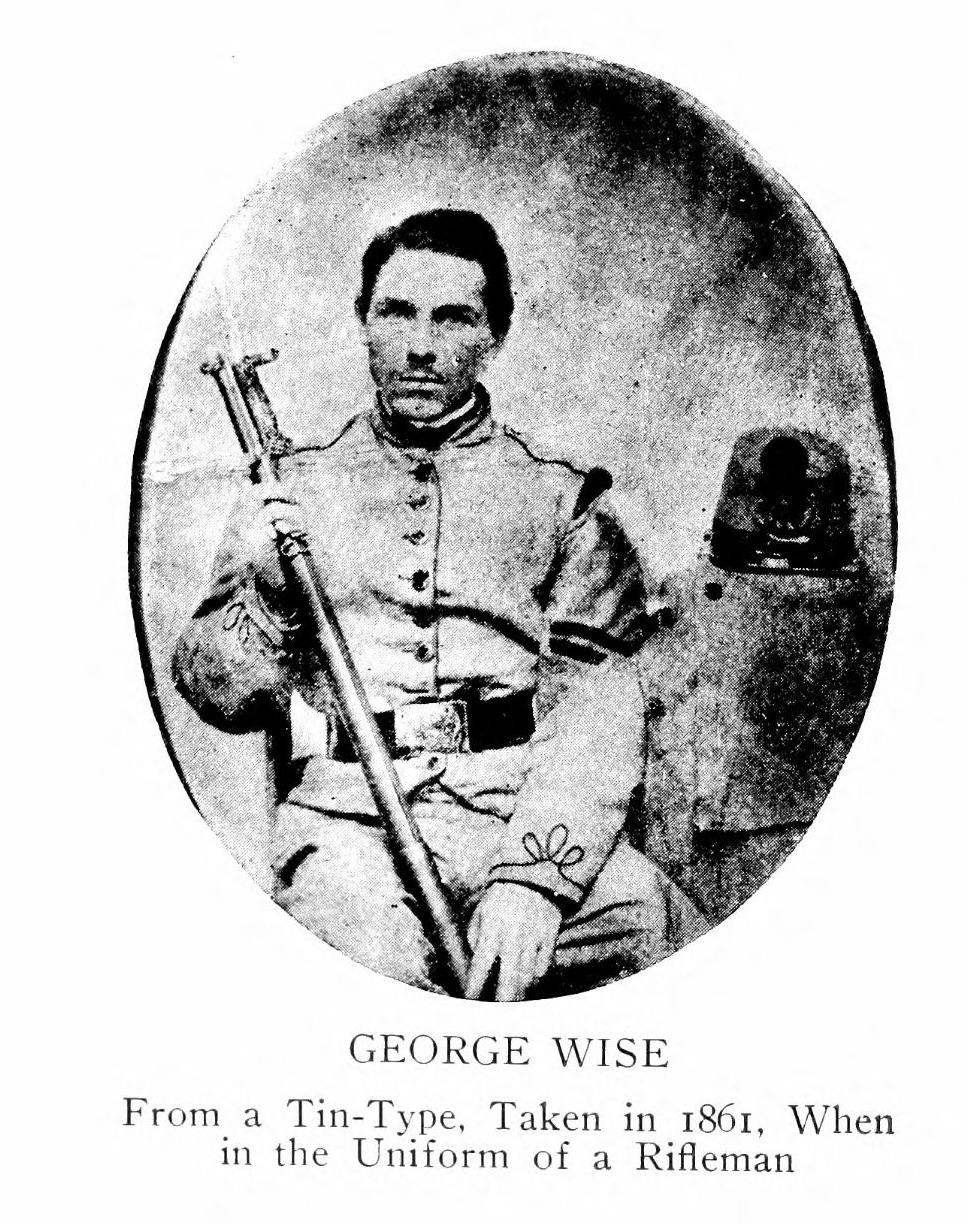
He wrote and published a history of his regiment, the 34th New York Infantry – the Herkimer Regiment – in about 1903 on the occasion of the dedication of the monument to his regiment on the battlefield at Antietam.
His photograph here is from that volume, which is online from the Internet Archive.
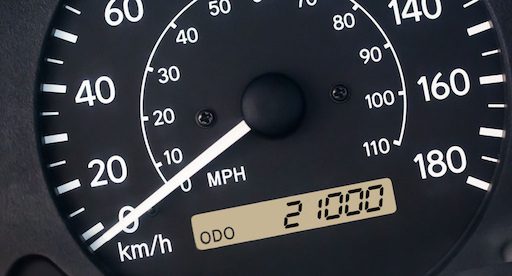
I’ve been spending more time than I used to with each soldier I enter into the database, so it’s taken almost two years to add the last thousand. There are now just over 21,000 people-pages on Antietam on the Web.
The latest additions are from the 5th Alabama Infantry, who suffered more than 150 casualties in Maryland, notably at Turner’s Gap on South Mountain on 14 September 1862, where most of three Companies were killed or captured.
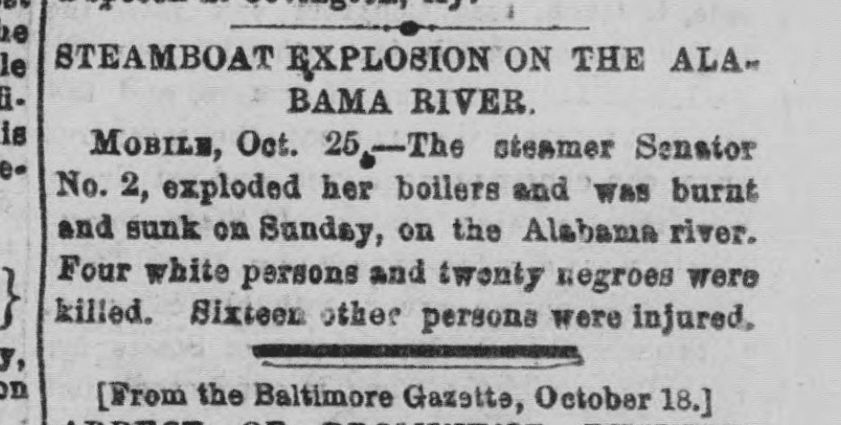
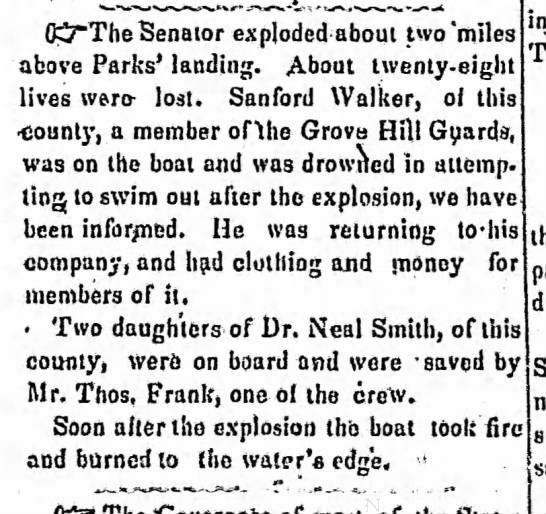
Sharpsburg veteran Private Sanford A Walker of the 5th Alabama Infantry was returning from a furlough home in October 1864 aboard the steamboat Senator #2, on the Alabama River, when her boiler exploded. He drowned attempting to swim away from the burning vessel.
The first clipping is from the Richmond Sentinel of 26 October 1864, which is online from the Library of Virginia. The second is from an unknown newspaper of 3 November 1864 shared to Sanford’s Find-a-grave memorial by Mo Baxter and Dave Gates.