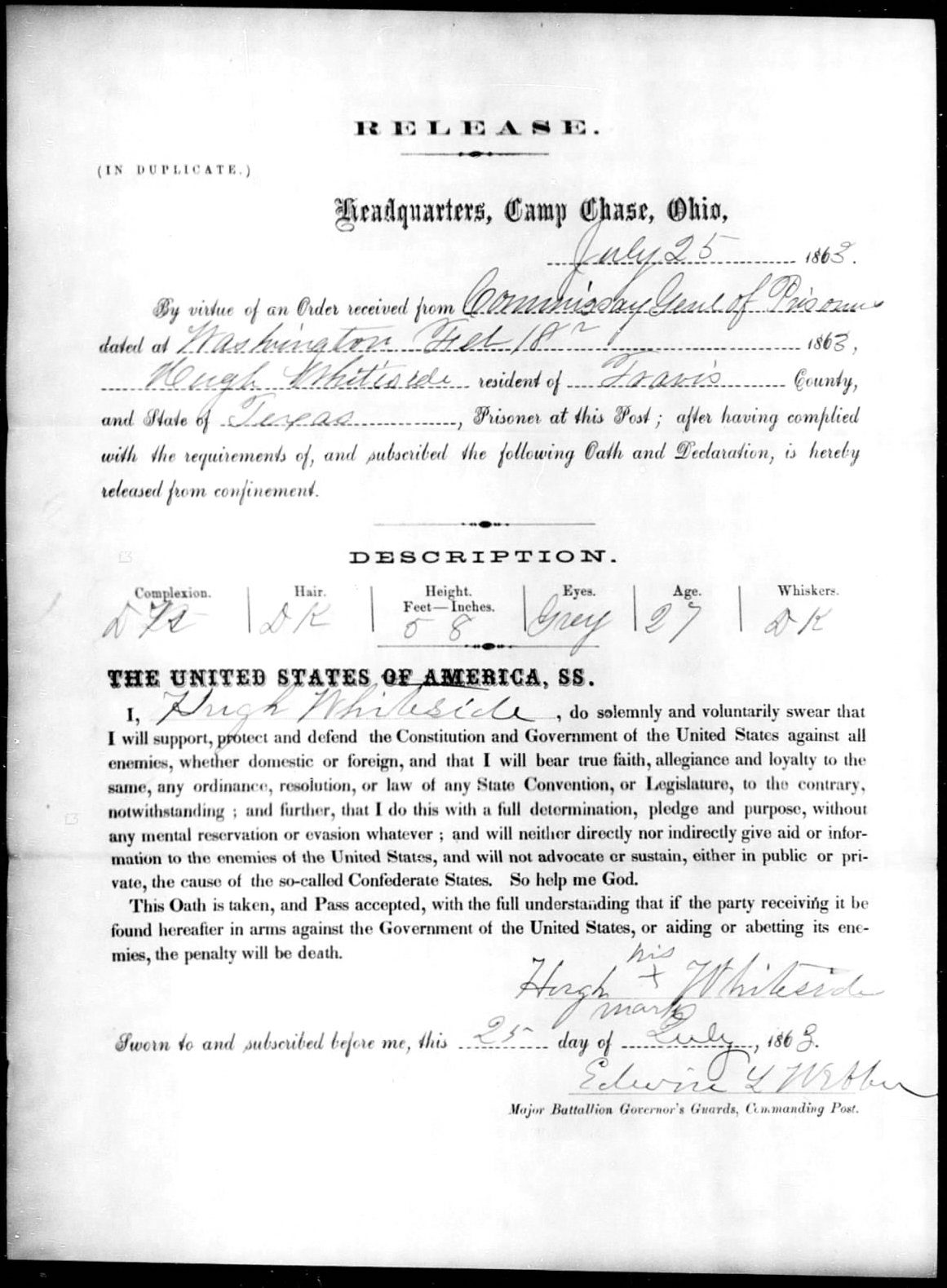
Private Hugh Whitesides of the 4th Texas Infantry “gave himself up” to US troops at Cherry Run, VA (WV) on 19 July 1863 and was sent to Camp Chase, OH, where he swore the oath seen here, made his mark, and was released.
I’m guessing he left his regiment somewhere near Falling Waters on 14 or 15 July as the Army was returning/retreating from Gettysburg, PA.
I don’t know much about Hugh, except that he was probably born in Ireland, was a shepherd in Travis County, Texas before the war, and was 27 years old when he took that oath. I’ve found nothing on what became of him afterward.
Company B of the 4th Texas Infantry had a little white terrier as a mascot, given them by an Austin confectioner at the start of the war (said Ted Alexander).
Among the soldiers on his roster of the the Company, Val C. Giles listed the dog:
“Candy,” the little white dog, went with the company from Austin and became a great favorite with the regiment. Engraved on his collar was, “Candy, Co. B, 4th Texas Regt.” When George L. Robertson lay wounded in the field hospital at Sharpsburg, he saw a band wagon parading through the camp with the little “Rebel” prisoner. He got lost from his company and regiment in the old cornfield and was captured by the enemy.
In the battle of Gaines’s Mill he got separated from us, and next morning, when the burying detail was sent out from our regiment, they found Candy cuddled up under the arm of poor John Summers, who was killed the evening before. There was not a man in the company, and I doubt if there was one in the regiment, who would not have divided his last piece of hard-tack with Candy.
We never saw him after the battle of Sharpsburg.
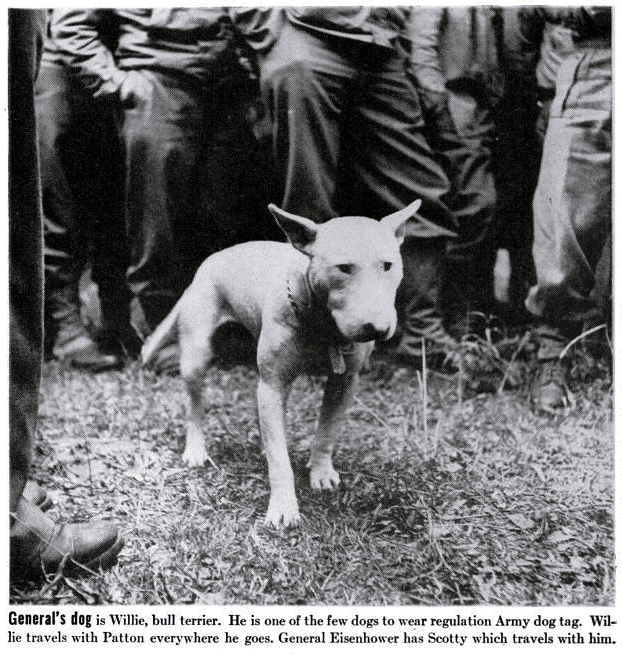
I don’t know of a picture of Candy, but here’s a famous white military terrier of a later generation – Willie – from Life magazine of 28 August 1944:
_______________
Giles’ roster is in the Confederate Veteran magazine of January 1918, pages 20-23.
Private William F. Ford of the Tom Green Rifles, Company B, 4th Texas Infantry had an extraordinary war.
At Sharpsburg on 17 September 1862 he and his regiment were part of Hood’s Division’s devastating charge into Miller’s cornfield early that morning. But that wasn’t enough for Ford.
… after the Brigade was relieved about 10 o’clock am, he was sent off and accidentally meeting the 9th Georgia Regt. reported to Capt King of Co “K” and fought with them till night. Capt King gave him a certificate complimenting him for his gallant conduct thro’ the the day, which certificate was endorsed by both the Col commanding the 9th Georgia Regt and Col Anderson – now Brigadier – commanding the Brigade …
He was captured at Gettysburg in July 1863 and sent to the US prison at Fort Delaware. From which he escaped in August or early September. Not an easy thing, as shown by the fate of Hoxey Whiteside, Company G of the 4th Texas, who attempted such an escape a couple of months after Ford, in November 1863, but drowned in the Delaware River.
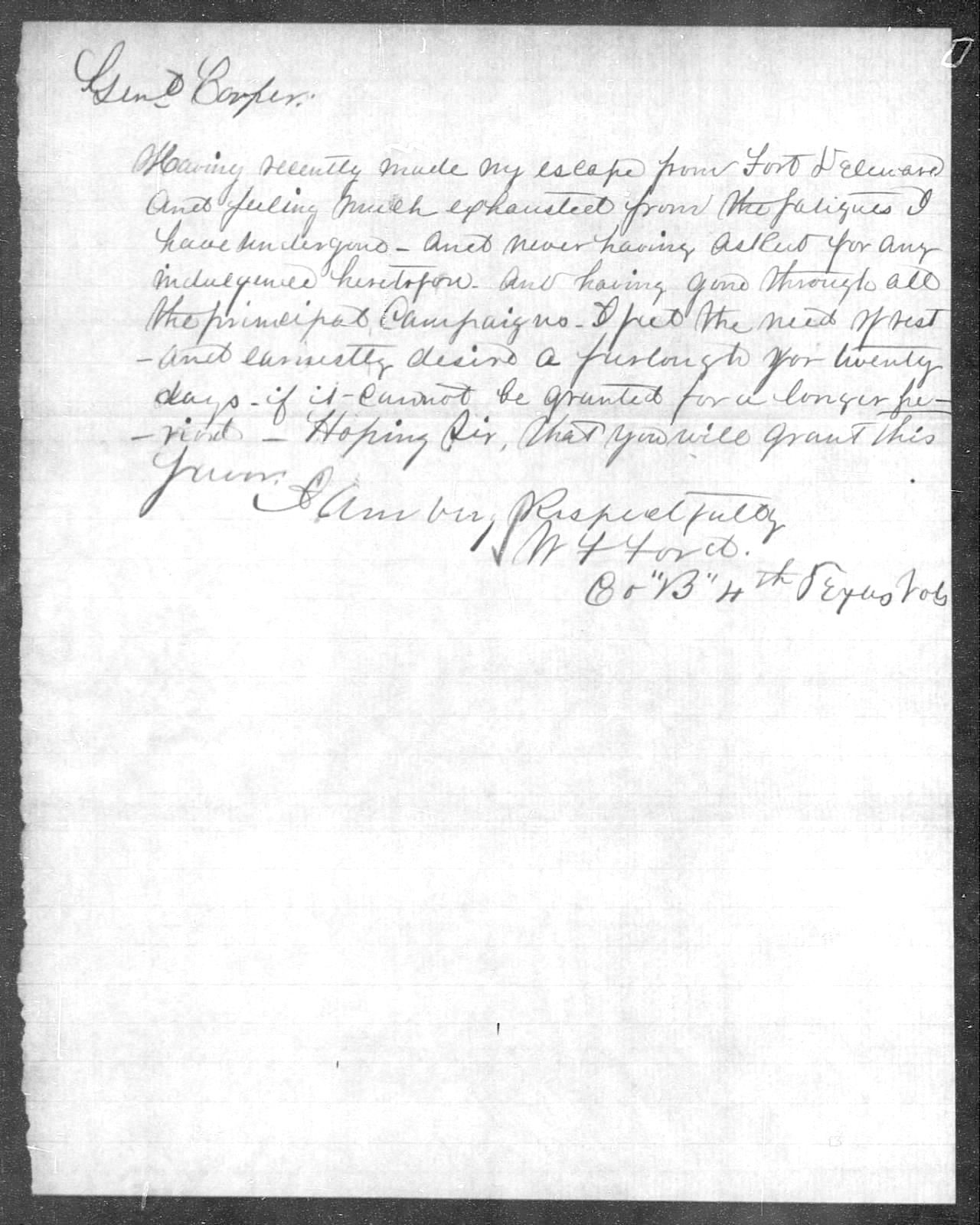
Private Ford “passed through parts of Delaware, New Jersey, and Maryland in the disguise of a citizen, arriving safely in Richmond” and, not a shy man, made a request for a furlough directly to the CSA’s Adjutant General, General Samuel Cooper – “hoping sir, that you will grant this favor.” Cooper did.
He was commissioned Junior 2nd Lieutenant of his Company on 1 April 1864 “for valor and skill” and distinguished himself in combat again, in the Wilderness of Virginia, where he was wounded in the leg on 6 May 1864. He was promoted to Senior 2nd Lieutenant on 16 June.
In addition to all this, his is the second case [first, here] I’ve found of a Confederate officer applying to raise and command a “negro regiment.”
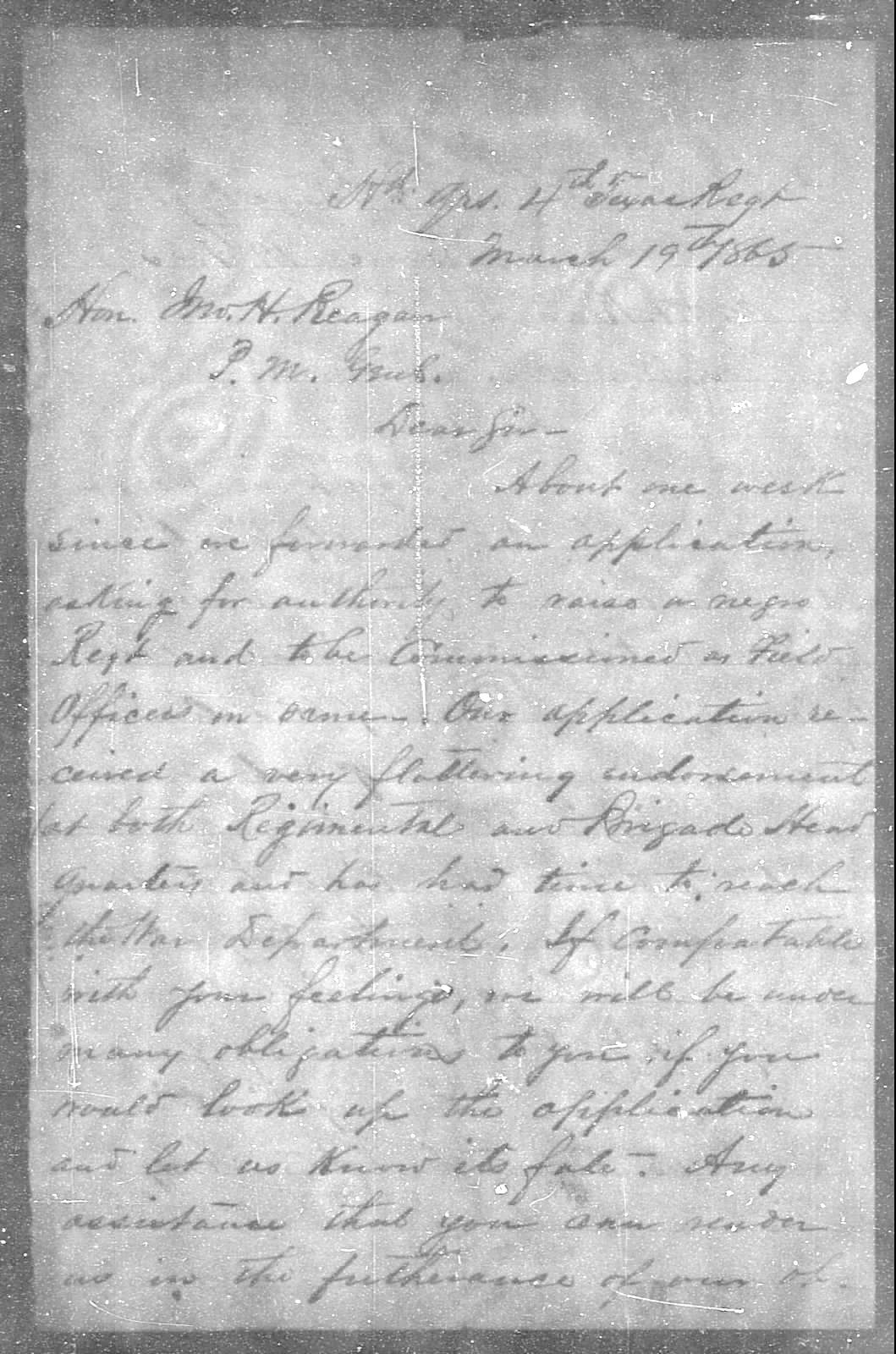
He made that request on about 12 March 1865 through his military chain of command, and a week later wrote to John H Reagan, the Postmaster General of the Confederate States, asking for help in expediting it.
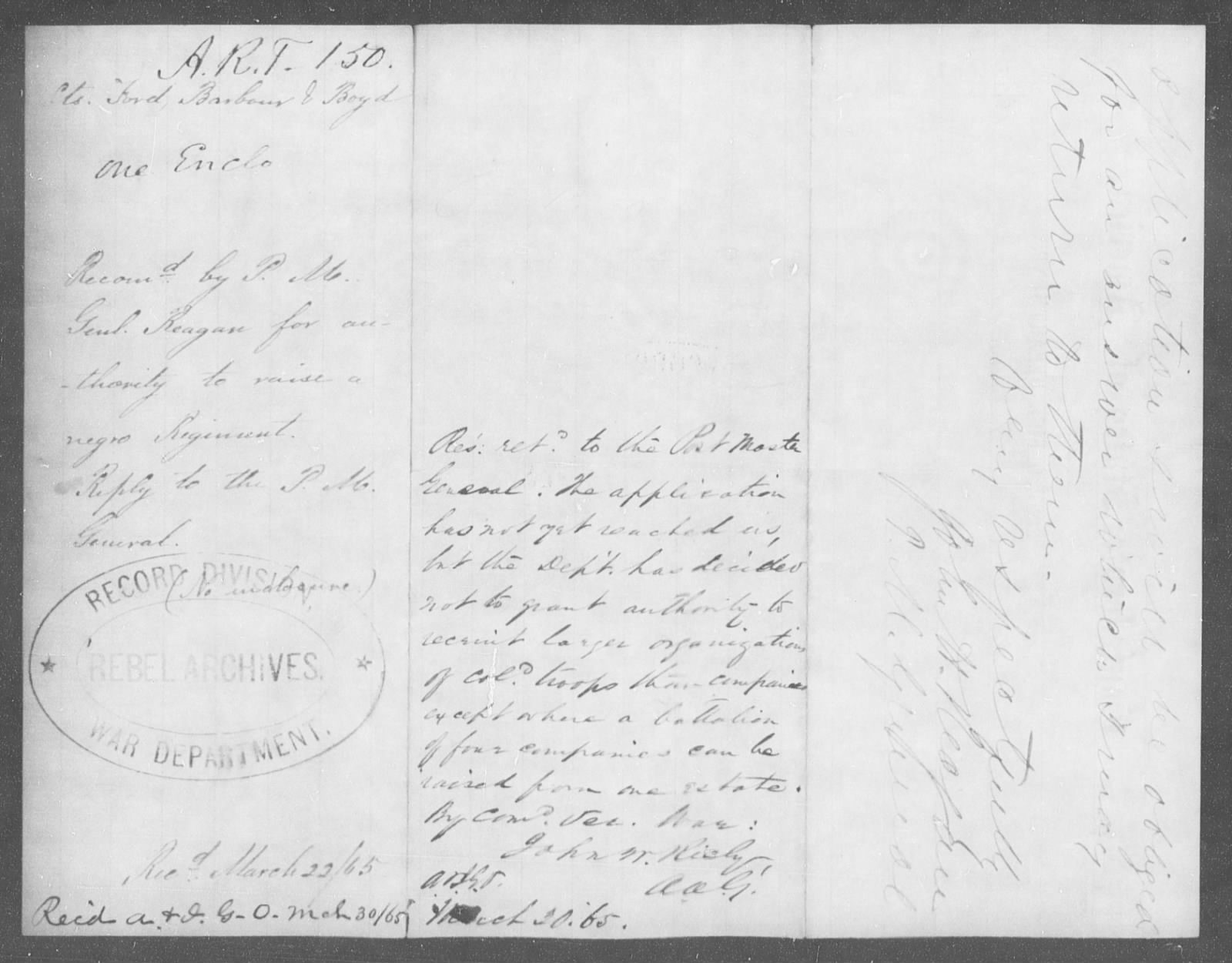
Reagan forward a positive recommendation to Secretary of War Breckenridge on 22 March. The reply came back the same day (cover below).
Res. ret’d to the Post Master General. The application has not reached us, but the Dept. has decided not to grant authority to recruit larger organizations of col’d troops than companies except where a battalion of four companies can be raised from one estate.
By com’d Sec. War:
[Captain] John W. Riely, AAG
Word got to Lieutenant Ford on 30 March 1865. It was largely a moot point by then, anyway – Federal troops entered Richmond 4 days later.
He was surrendered and paroled at Appomattox Court House, VA on 9 April 1865, and went home to Austin, Texas. He died there in 1875.
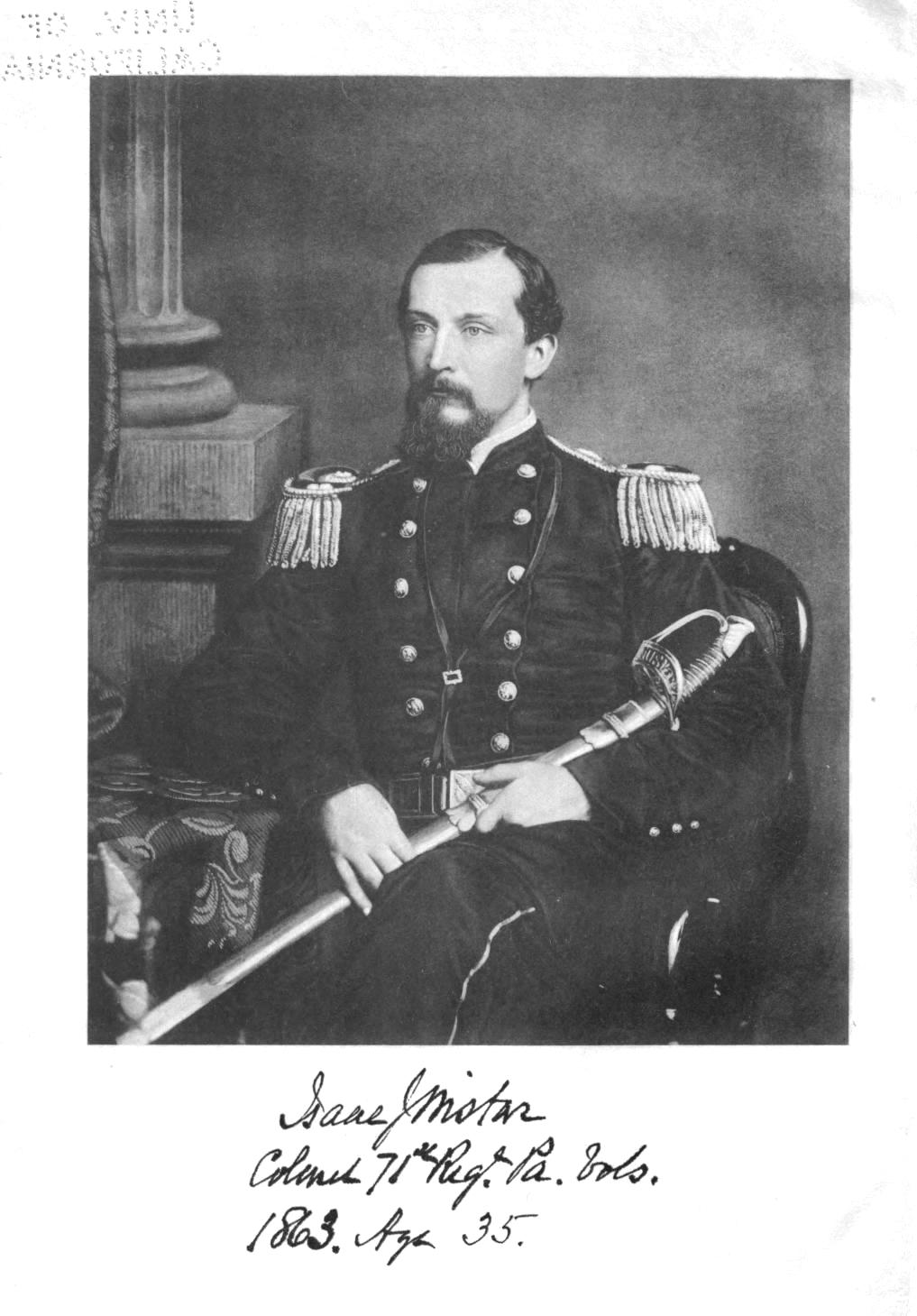
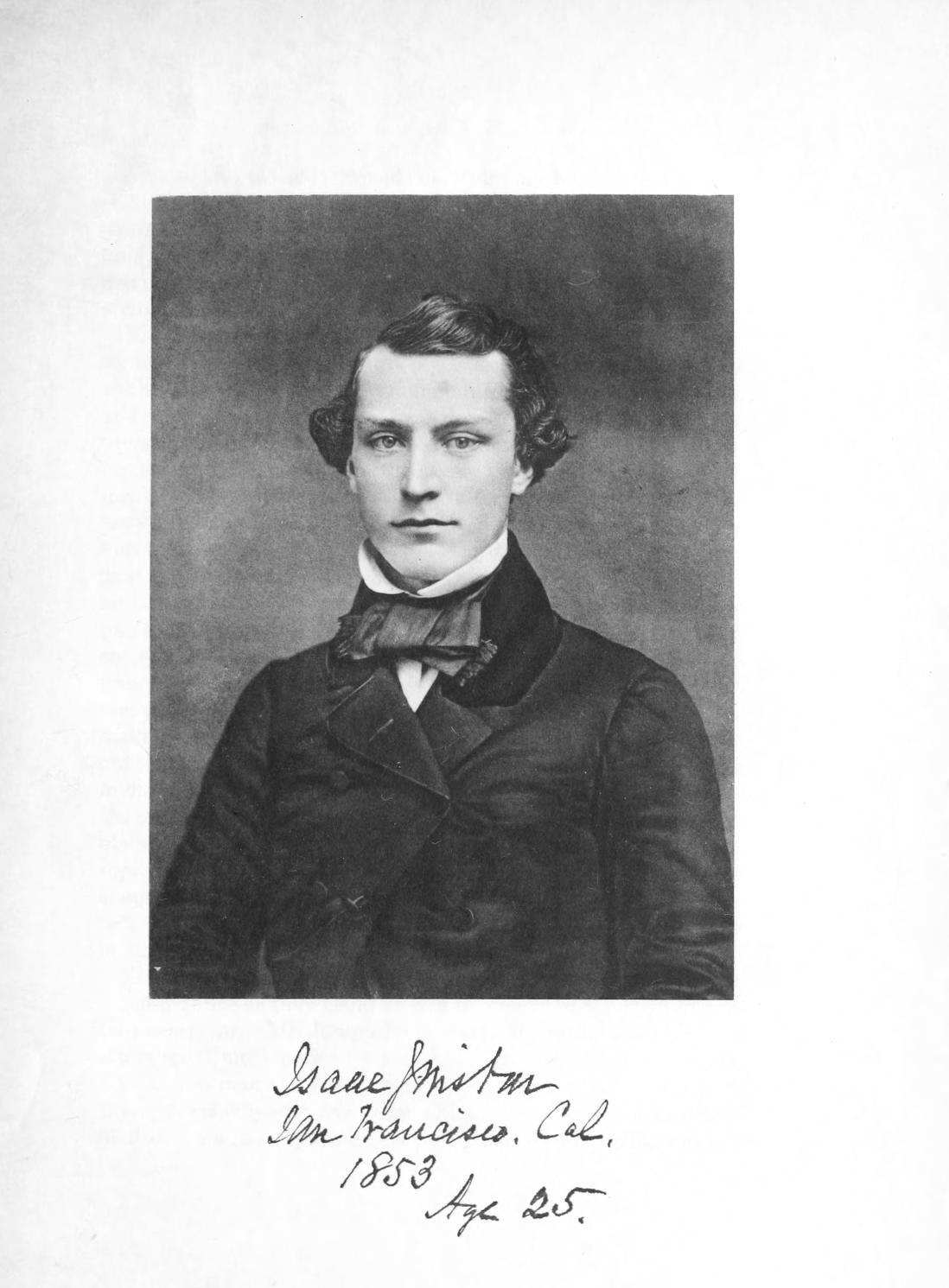
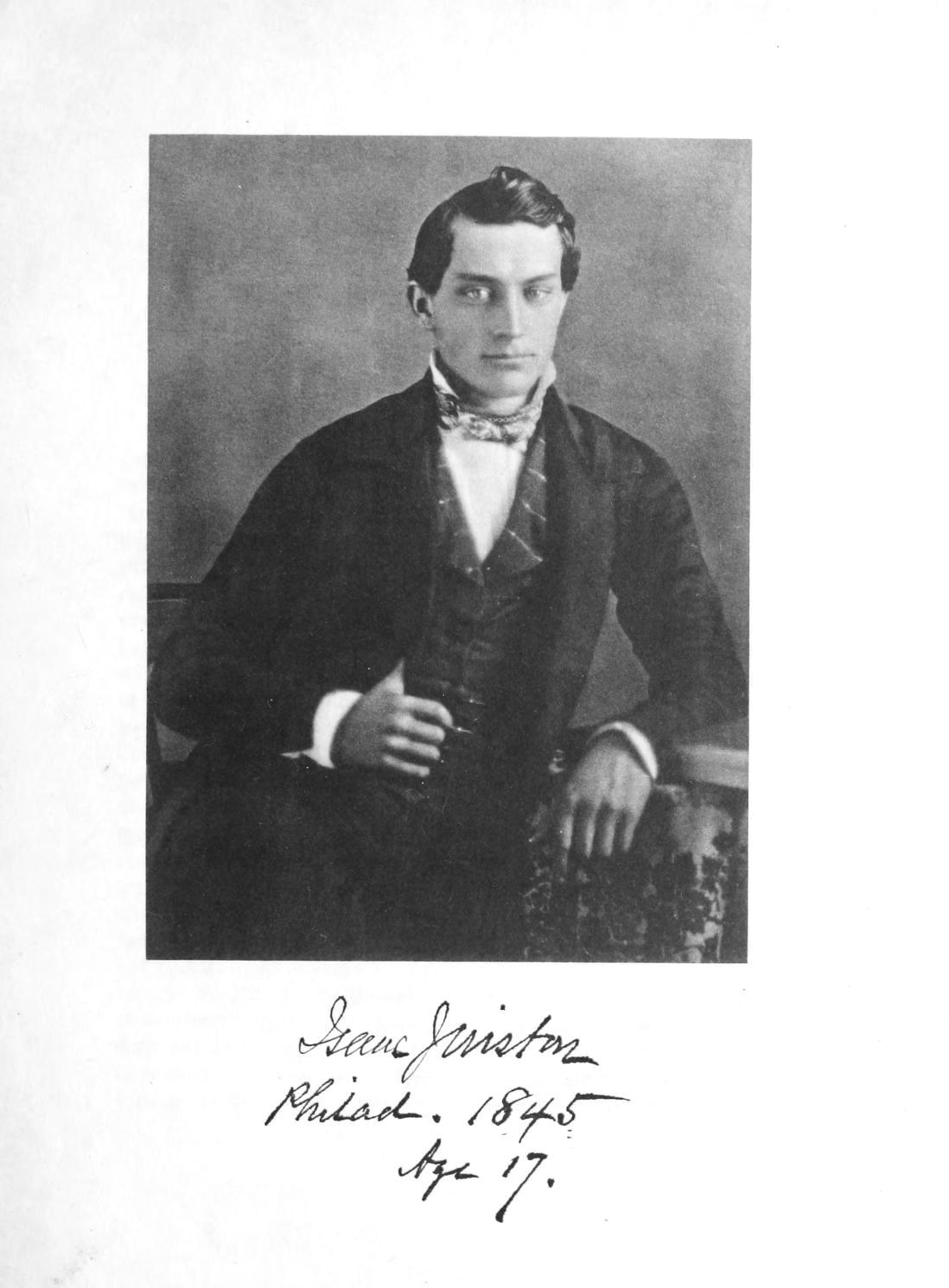
Colonel Isaac J Wistar commanded the California Regiment (designated the 71st Pennsylvania Infantry) at Antietam and was later commissioned Brigadier General of Volunteers.
Here he is wearing some serious epaulettes.
To compare, here are two pictures of him as a much younger man.
He was halfway in age between the two lower views when he took off across the continent from Philadelphia to find gold in California in 1849. Quite an adventure. He only came back 12 years later because of the war …
_____________________
All three pictures are from his posthumously published Autobiography of Isaac Jones Wistar, 1827-1905 (1914). It’s online [Volume 1 | Volume 2] from the Internet Archives. It’s a pretty good read, actually, especially his diary entries from his 1849 trip to California.
____________________
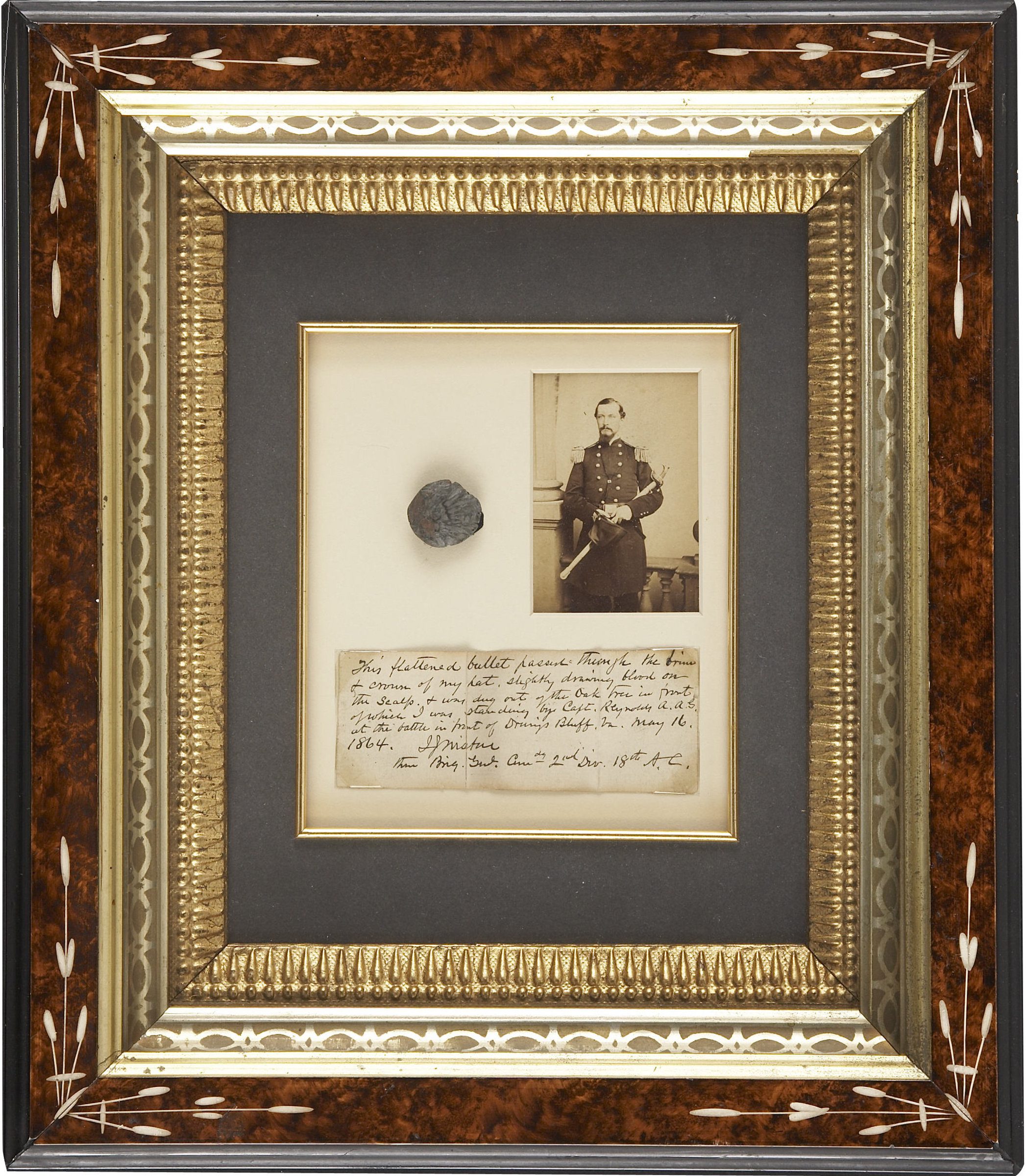
The interesting Wistar artifact below was sold by Heritage Auctions in 2008. The accompanying photograph is very similar to the one at the top of this post, and was probably taken in the same session
[Bullet that Grazed the Head of Brigadier General Isaac J. Wistar]
From the seller: A mushroomed Confederate minié ball is preserved in a inlaid period frame with a CDV of the general and a 5″ x 2″ Autograph Note Signed, reading as follows:
“This flattened bullet passed through the brim & crown of my hat, slightly drawing blood on the scalp & was dug out of the oak tree in front of which I was standing by Capt. Reynolds A.A.G. at the battle in front of Drewry’s Bluff, Va. May 16, 1864. J I Wistar then Brig Genl’ Commdg 2nd Div. 18th A.C.”